Swing trading can be profitable, but profitability is not automatic and income is not steady. A trader needs a tested edge, controlled losses, enough capital, and the discipline to follow the same process through winning and losing periods.
One profitable trade proves very little. It is like making one basketball shot. A useful strategy must work across many attempts after losses and costs are included.
Why can swing trading work?
Markets often move in waves. Trends pause, breakouts retest, and prices move between areas where buyers and sellers make decisions. Swing traders try to capture part of those multi-day moves.
The opportunity does not guarantee a profit. A method works only when its average result across many trades remains positive after:
- losing trades,
- commissions and fees,
- bid-ask spreads,
- slippage,
- taxes,
- and mistakes in execution.
What does profitable mean?
At its simplest, profitable means that after a set period, such as a quarter or a year, the account has more money than it started with after trading costs and withdrawals are counted.
Profit and alpha are related, but they are not the same. Profit means the account made money. Alpha means the strategy did better than a fair benchmark after considering risk. For example, earning 6% is profitable. If a comparable index gained 10% during the same period, however, the strategy did not produce positive alpha.
Profitability is also more than win rate.
Imagine two systems:
| System | Win rate | Average win | Average loss | Result before costs |
|---|---|---|---|---|
| A | 70% | $100 | $300 | Loses money over 10 similar trades |
| B | 45% | $300 | $100 | Makes money over 20 similar trades |
System A wins more often but loses too much when it is wrong. System B can lose more trades and still have a positive average. These are simple examples, not expected results.
How do you test a swing-trading strategy?
Start by writing exact rules for the setup, entry, invalidation, target, and position size. Then test those rules on historical price data.
TradingView’s Strategy Report can show how a coded strategy would have performed on historical data. Its Bar Replay feature also lets a trader move through old charts one bar at a time and practice making each decision without seeing the future.
Track at least these fields during the test:
- setup name,
- entry trigger,
- invalidation,
- planned target,
- planned risk,
- actual entry and exit,
- fees and slippage,
- whether the rules were followed,
- and the result in units of planned risk.
Review a meaningful sample instead of changing the method after three trades. Include fees, spreads, slippage, and realistic order fills. Separate strategy losses from rule-breaking losses.
Historical results are like a practice game. They can show whether the rules made sense in the past, but they cannot promise the same score in the future. After a backtest, try the unchanged rules with new data or in a paper account before risking money.
Can you swing trade for a living?
It is possible for some people, but “for a living” creates a much harder problem than “profitable.” Not everyone will become profitable, and every strategy can face a drawdown. Living expenses continue during losing periods, emergencies, slow markets, and months with few setups.
The first question is not, “How much can I make?” It is, “Can I afford to lose, and can I afford to have a down month?” A trader who needs the next trade to pay rent may feel forced to take a weak setup or risk too much.
A person considering trading income needs to think about:
- normal monthly expenses,
- emergency savings outside the trading account,
- health insurance and taxes,
- losing months,
- withdrawals that reduce trading capital,
- and whether financial pressure will force bad trades.
The IRS also has specific tests for whether someone qualifies as a trader in securities for federal tax purposes. Calling yourself a full-time trader does not automatically meet those tests.
Avoid fixed daily income goals
“Make $1,000 every day” sounds clear, but the market does not deliver the same opportunity each day. A fixed target can push a trader to increase size or force a weak setup after a quiet period.
A better scorecard asks:
- Did I take only valid setups?
- Did I keep each loss inside the plan?
- Did I avoid trades when no edge appeared?
- Did the strategy remain positive across a large sample?
How Eden can support the process
Eden can make the trade map more consistent:
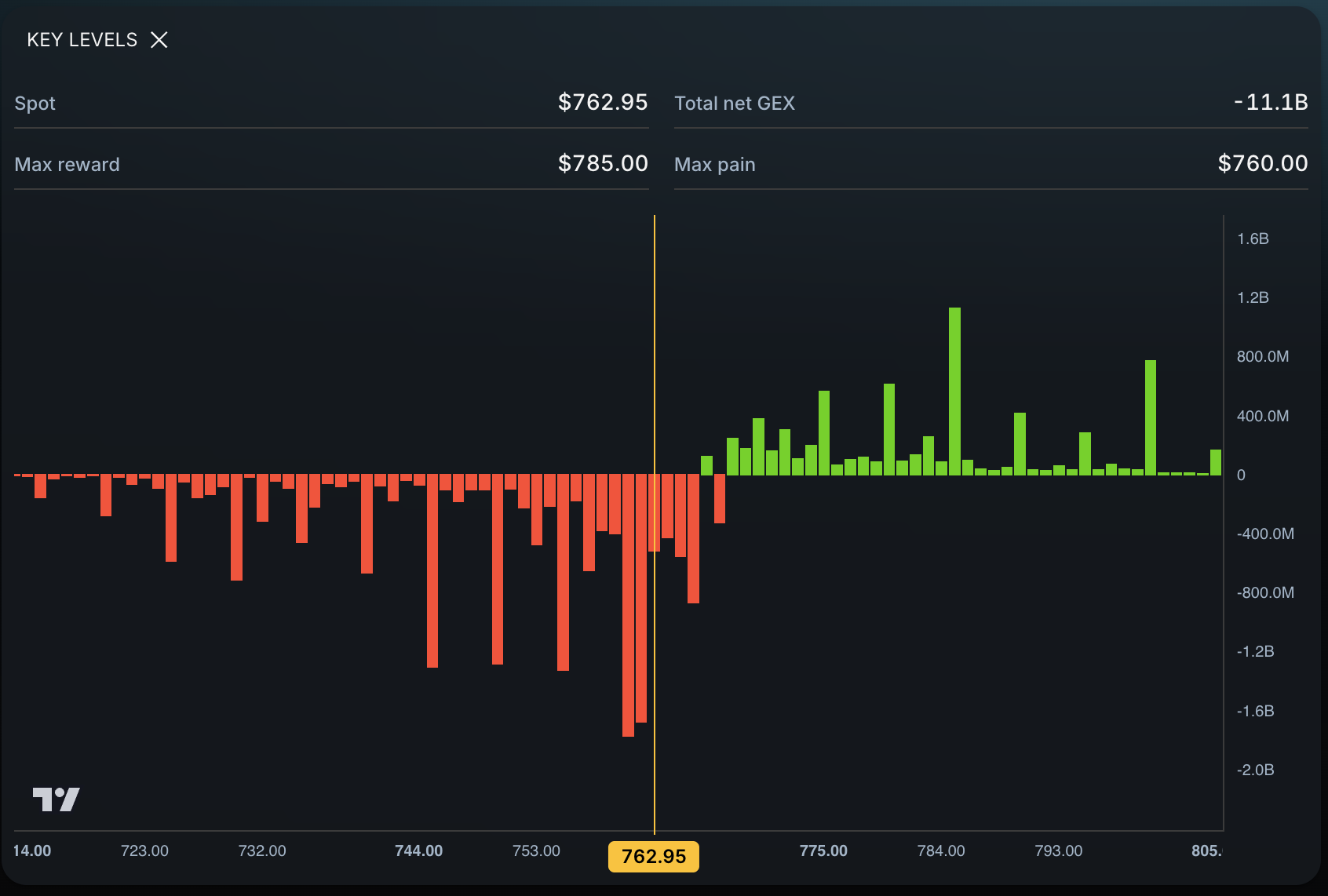
- Mark Key Levels.
- Define the price reaction required for entry.
- Record the invalidation.
- Review the relevant Price Targets.
- Save the plan before entering.
Eden cannot create discipline or guarantee that the setup has an edge. It can make the decision easier to explain and review.
Frequently asked questions
What is the 2% rule in swing trading?
It usually means limiting the planned loss on one trade to 2% of the account. It is a rule of thumb, not a law or a safe amount for everyone. Many traders choose less, and overnight gaps can cause the actual loss to exceed the plan.
How much money do I need to make $1,000 a month?
There is no honest fixed answer. It depends on the strategy’s tested return, loss size, trade frequency, costs, taxes, and market conditions. Working backward from a required income can encourage too much risk.
Does a high win rate mean the strategy is profitable?
No. Average win, average loss, costs, and rule-following also matter.
Official sources
- IRS, Topic No. 429: Traders in Securities
- IRS, Topic No. 409: Capital Gains and Losses
- Charles Schwab, What Is Swing Trading and How Does It Work?
- TradingView, What Are Strategies, Backtesting, and Forward Testing?
- TradingView, Bar Replay: How and Why to Test a Strategy in the Past
Takeaway
Swing trading becomes meaningful only when a repeatable method produces a positive average after losses and costs. Test the process before depending on the income, and never let a monthly bill choose the next trade.