Day traders open and close a position during the same trading day. Swing traders hold for more than one day. A swing trade may last days, months, or close to a year. Neither style is automatically better. The better choice is the one that fits your schedule, risk limits, and ability to follow a written plan. If you need the foundation first, start with what is swing trading.
Swing trading vs. day trading at a glance
| Question | Swing trading | Day trading |
|---|---|---|
| Typical holding time | More than one day; sometimes months | Seconds to hours, closed the same day |
| Screen time | Scheduled reviews may be enough | Often requires close intraday attention |
| Overnight risk | Yes | Usually avoided by closing before the session ends |
| Trade frequency | Lower | Higher |
| Main focus | Multi-session move | Intraday move |
| Common chart context | Daily and hourly charts | Intraday charts |
| Main pressure | Gaps and patience | Speed and repeated decisions |
Why might day trading fit better?
Day trading may fit someone who:
- can focus during market hours,
- wants to avoid holding overnight,
- has tested an intraday setup,
- can make fast decisions without changing rules, and
- understands the broker’s current margin and intraday-trading requirements.
Frequent intraday trading is high risk. FINRA says it requires careful management of funds, especially when margin is involved.
What do studies say about the odds of day trading?
There is no trustworthy study that gives one simple success rate for swing trading versus day trading. The two styles are not usually tested with the same traders, markets, time periods, and rules. Anyone who says swing traders have a specific chance of success should be able to show where that number came from.
The strongest research is a warning about day trading:
| Evidence | What the researchers found | What it means |
|---|---|---|
| Brazilian equity-futures study | Among traders who kept day trading for more than 300 days, 97% lost money. Only 1.1% earned more than Brazil’s minimum wage. | Staying active for a long time did not make most traders profitable in this market and period. |
| Taiwan day-trading study | A small group of top-ranked traders continued to earn positive returns after fees, while many other traders lost money. | Skill may exist, but results differ greatly and trading costs matter. |
| SEC investor warning | The SEC describes day trading as highly risky, stressful, expensive, and demanding of continuous attention. | Day trading should be treated like a demanding job, not easy income. |
These studies do not prove that every day trader loses, and they do not prove that swing trading is profitable. The Brazilian study covered equity futures in Brazil, while the Taiwan study covered a different market and period. They are not a direct contest between day trading and swing trading.
Why might swing trading be a better practical fit?
Swing trading gives the trader more time to study the larger trend, plan the entry, calculate risk, and choose a target. It can also mean fewer trades and fewer fast decisions. That may help someone with a job or someone who does not want to watch every candle.
It may fit someone who:
- has a full-time job,
- cannot watch the market all day,
- prefers fewer decisions,
- wants more time for a setup to develop, and
- can accept overnight gap risk.
Think of it like crossing a busy street. Day trading asks you to react to cars moving past you right now. Swing trading lets you step back, watch the traffic pattern, and choose a wider opening. You still have risk, but you have more time to make the decision.
Swing trading also has a serious tradeoff: price can gap while the market is closed. A slower schedule does not make a weak plan safe or guarantee a profit.
For a practical broker workflow, read how to swing trade on Robinhood.
Is swing trading better than day trading?
Swing trading is better only when it better fits the trader.
Think of the choice like taking a train or driving. The train may require less attention, but it follows a slower schedule. Driving gives more control during the trip, but it demands constant focus.
Swing trading can reduce screen time and trade count. It adds overnight gaps and longer exposure to news. Day trading removes most overnight exposure but adds speed, screen time, and more chances to make emotional decisions.
How does the Eden workflow change?
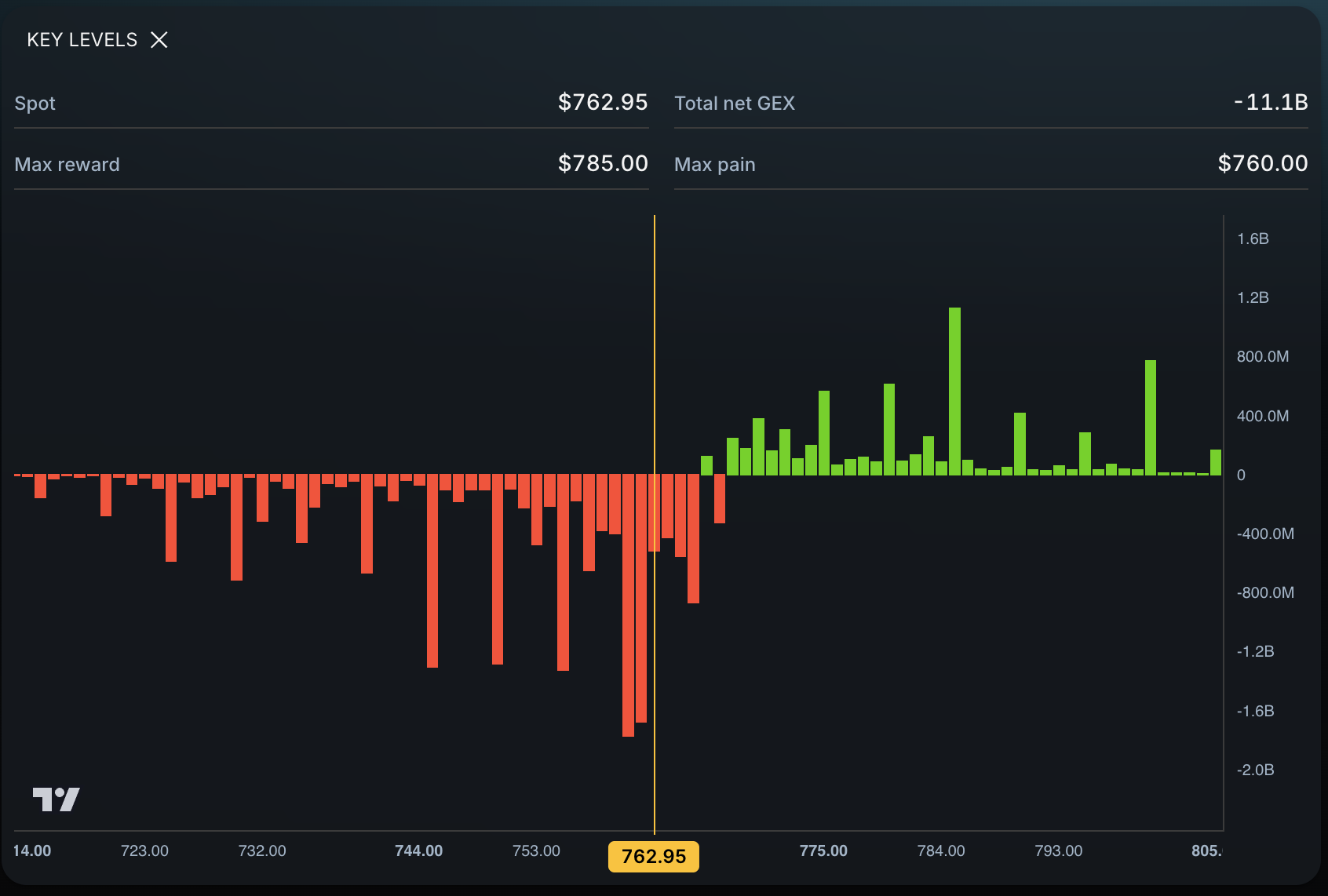
Both styles can use Key Levels, but the target horizon changes.
For a day trade:
- focus on current levels and same-day targets,
- wait for an intraday hold, reclaim, rejection, or break,
- and close according to the intraday plan.
For a swing trade:
- use current levels for entry context,
- review weekly or monthly Price Targets,
- check earnings and other scheduled events,
- and allow enough room for normal multi-day movement.
If the position uses contracts instead of shares, review swing trading in options before choosing the strike and expiration.
What about the pattern day-trading rule?
Rules can change and firms may use transition periods. FINRA adopted new risk-based intraday margin requirements effective June 4, 2026, while allowing firms a transition period through October 20, 2027. Check your broker’s current policy before relying on an old summary of the $25,000 pattern-day-trader rule.
Holding a position overnight generally means the transaction is not a same-day round trip, but the account remains subject to the broker’s cash, margin, settlement, and risk rules.
Frequently asked questions
What is the difference between swing trading and day trading?
The difference is holding time and workload. A day trade opens and closes in the same session, so it needs intraday attention and fast decisions. A swing trade is held overnight, usually for days to weeks, and is planned around daily and weekly charts with scheduled reviews instead of constant screen time.
What is the downside of swing trading?
The main downside is overnight and weekend gap risk. News, earnings, and economic releases can move price while the market is closed, and a stop order can fill far from its trigger price after a gap. Swing traders also need patience: a valid setup can take days to play out, and capital sits exposed the whole time.
Which style is easier for beginners?
Neither is easy. Swing trading may give a beginner more time to think, while day trading may avoid overnight gaps. The beginner should test one simple setup and use small risk.
Can I use both swing trading and day trading?
Yes, but keep the plans separate. A failed day trade should not become a swing trade simply because the trader does not want to take the loss.
Which style needs more money?
The answer depends on the instrument, broker, account type, and current margin rules. Position size should come from the planned loss, not the maximum buying power offered.
Official sources
- Charles Schwab, What Is Swing Trading and How Does It Work?
- Fernando Chague, Rodrigo De-Losso, and Bruno Giovannetti, Day Trading for a Living?
- Brad Barber, Yi-Tsung Lee, Yu-Jane Liu, and Terrance Odean, The Cross-Section of Speculator Skill: Evidence from Day Trading
- U.S. Securities and Exchange Commission, Day Trading: Your Dollars at Risk
- FINRA, Understanding New Intraday Margin Requirements
- FINRA, Frequent Intraday Trading: Understanding the Basics
Takeaway
Choose swing trading when a multi-day plan fits your schedule and you can manage overnight risk. Choose day trading when you can focus during the session and follow fast rules. Choose neither until you can define the entry, invalidation, target, and acceptable loss.